
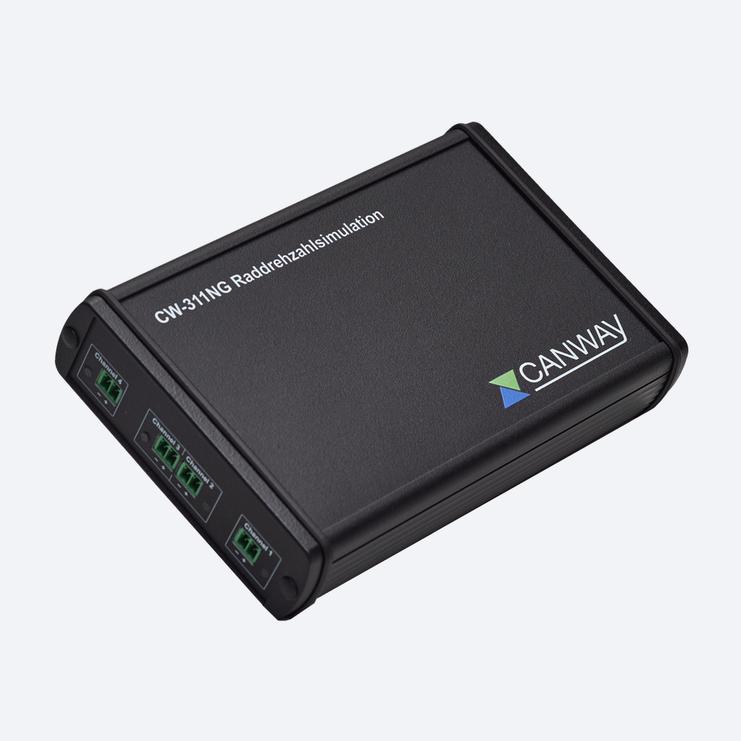
The CW-311NG wheel speed simulation simulates the active current-modulated wheel speed sensors used in the automotive industry. The CW-311NG can simulate a speed range from 0.1 Hz to 5000 Hz in three different operating modes. It is used, for example, in hardware-in-the-loop (HiL) test environments for control units.
The CW-311NG receives real-time and control data via the integrated CAN bus and uses it to generate signals from wheel speed sensors. The simulation data can be transferred to the CW-311NG from any source via the CAN interface, for example from an automation computer that plays back a realistic track model.
The wheel speed information is output via a current interface. It is possible to simulate sensors from different manufacturers. Various parameters such as air gap reserve error, direction of rotation, installation position signal and more can be dynamically influenced conveniently via a web interface for configuration.
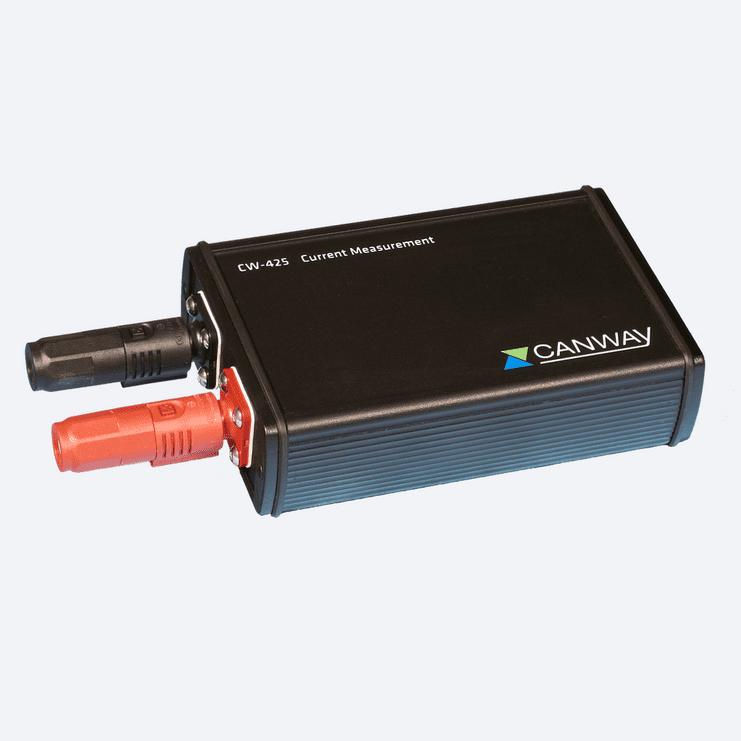
In addition to precise quiescent current measurement, the CW-425 enables the measurement of operating currents in the range of ±150 A. The wide measuring range is made possible by two different measuring shunts, which are switched almost without interruption with a switching delay of less than 2 µs. The measured value of the CW-425 is output via CAN bus and can therefore be easily integrated into different measuring chains. The CW-425 can be used, for example, for automated measurement of the quiescent and operating currents of control units on HiL test benches.

“Good things come to those who wait.”
After several years of wrangling with architects, bureaucracy, and construction companies, we are delighted to announce the completion of another building at our Ostbevern site in the Münsterland region. This modern building will not only serve as a central meeting place for our management, administration, and employees, but also as a symbol of our continuous growth and innovative strength.
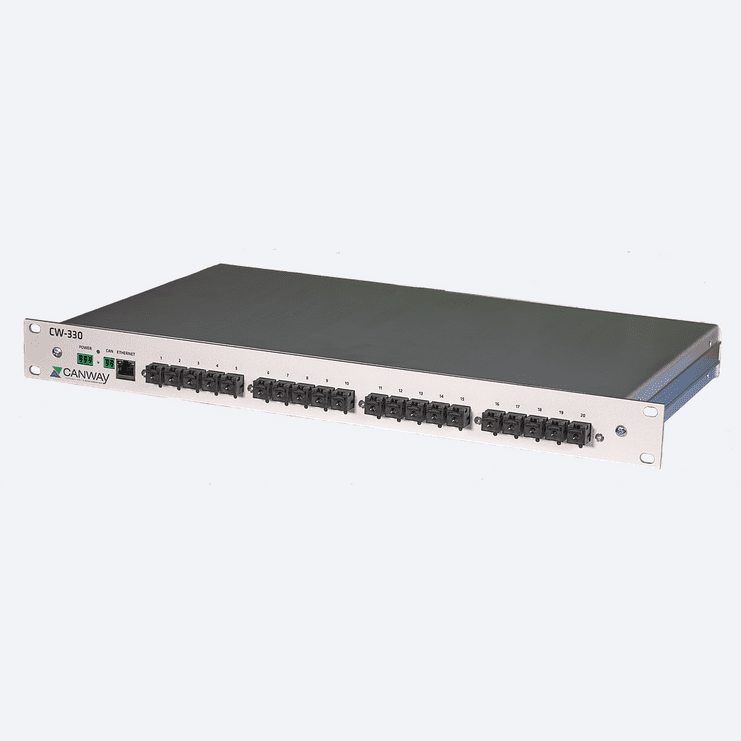
The CW-330 light measurement system offers a way of detecting and evaluating the color spaces of light sources. In the automotive sector, CANWAY's light measurement system significantly expands the degree of test automation for the functional validation of lighting components in vehicle interiors. The light sources are detected or read in by the CW-330. Subsequently, the functional validation evaluates whether the light source is illuminated as it was set by the vehicle operator. The light is evaluated on the basis of the HSV color space (hue = color angle on the color wheel, saturation = color saturation, value = brightness) and the additive RGB color space.

In addition to the CW-969 configuration software for the CW-401 MkII current clamps, CANWAY also provides a plug-in for the IPEmotion data acquisition software. Parameters such as CAN ID, output rate or signal name can be conveniently configured via the plug-in. Thanks to the standardised CAN ISO 11898-2 V2.0A or 2.0B standard, measurement modules from IPETRONIK and CW-401 MkII current clamps can be operated and measured on a CAN bus interface. The new release V01.00.49 includes functional enhancements such as auto-filter and a bus load display to be able to assess the utilisation of the CAN bus.

Messe Stuttgart
Hall 10, Booth 1760
CANWAY presents its innovative solutions from the fields of bus system technology, current measurement technology and HiL test rig technology at the automotive testing expo 2024.
We look forward to welcoming you to our stand for a personal discussion.
All information at a glance:
Automotive Testing Expo 2024 in Stuttgart
04.06.-06.06.2024
